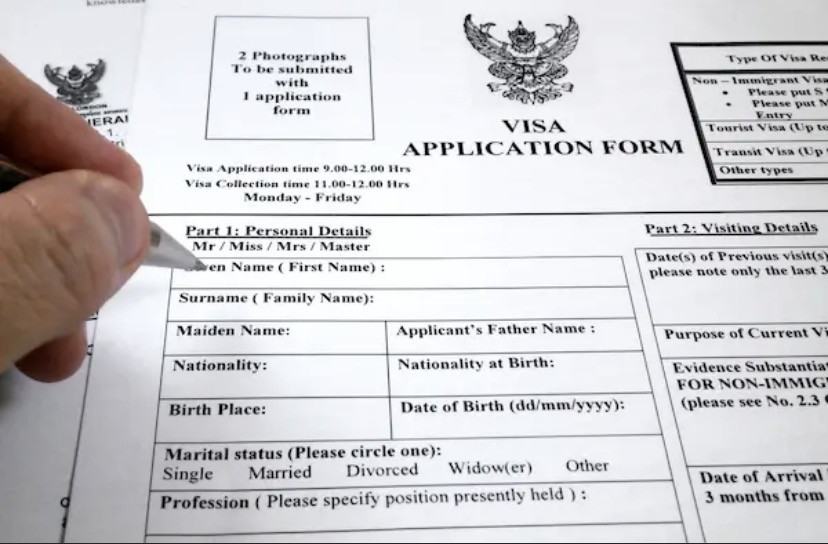
For many people considering a move to Ecuador, the subject of residency feels intimidating long before they even begin the process.
There are visa options, translations, apostilles, criminal record checks, deadlines, government offices, lawyers, and a flood of conflicting information online. And somewhere in the middle of all that, people begin wondering whether moving abroad is more complicated than it’s worth.
I understand that feeling.
One of the things I’ve learned since beginning this journey is that obtaining residency in Ecuador is less of an obstacle than it first appears — but it does require organization, perseverance and a clear view of what you hope to achieve.
This article is not legal advice, and rules can change over time. But my goal here is to give you a calm, practical overview of how Ecuador residency generally works so you can begin understanding the landscape without becoming overwhelmed.
Temporary Residency vs Permanent Residency
Foreign nationals from Canada and the United States (among a list of other qualifying countries) do not have to apply for a tourist visa prior to arrival in Ecuador. One will be provided as a stamp in your passport as you pass through immigration. It is good for 90 days and can be extended for an additional 90 days without leaving the country. Stays in excess of 180 days will require some form of residency visa.
Most foreigners begin with temporary residency before eventually qualifying for permanent residency. Temporary residency usually lasts for two years and is tied to a qualifying category such as pension income, investment, professional credentials, or family relationships. Temporary residency can be an end in itself. It allows you to come and go from the country as you wish, requiring only that you reapply every two years.
To avoid the need to reapply and to enjoy a sense of long-term stability, many expats opt for permanent residency; however, qualifying does come with some restrictions during your temporary residency. To qualify for permanent residency, the applicant must limit their absence from Ecuador to a total, less than 90 days, during the two year period of their temporary residency.
Once you obtain your permanent residency, the requirement changes to 180 days per year for the first two years. After two years as a permanent resident, the rules become more flexible. Traditionally, permanent residents could remain outside Ecuador for several years, but more recent interpretations and reforms indicate that absences of more than two years could jeopardize your residency status.
Common Residency Categories
There are several common pathways people use when applying for Ecuador residency.
One of the best known is the pensioner visa, often used by retirees who receive guaranteed monthly income such as government pensions.
Another common option is the investor visa, where residency eligibility is connected to a qualifying financial investment.
Some people qualify through professional credentials, while others may pursue residency through marriage or family relationships.
The right category depends entirely on your circumstances, finances, and long-term goals.
Documents and Apostilles
One of the biggest surprises for many people is how document-heavy the residency process can feel
Common requirements may include:
- Criminal record checks
- Birth certificates
- Marriage certificates
- Bank or income documentation
- Official translations
Many documents also require apostilles or legalization from the country where they originated.
This is one of the areas where organization becomes extremely important. Missing or expired paperwork can create delays and frustration.
Do You Need a Lawyer?
Some people complete residency processes largely on their own, while others choose to hire legal assistance.
There is no single correct answer.
If you have the time to learn how and are comfortable managing paperwork, navigating bureaucracy, and communicating in Spanish, you may feel confident handling much of the process independently.
Others prefer the ease and reassurance of having professional guidance, especially if their case involves complications or language barriers.
One important reminder: not every lawyer is equally experienced or trustworthy. Research carefully, ask questions, and get recommendations.
Why Patience Matters
One of the most important mindset shifts for moving abroad is learning patience.
Processes may take longer than expected. Requirements can change. Information from one source may conflict with another.
People who approach residency expecting efficiency often become frustrated. Those who approach the process with flexibility and calm realism generally handle it far better.
In many ways, learning to navigate uncertainty is part of adapting to life in another country.
Why Visiting First Is Often Wise
Many people become emotionally attached to the idea of moving abroad before they have spent meaningful time in Ecuador itself.
In my opinion, visiting first is extremely valuable.
Come to Ecuador, not simply as a tourist, but as an observer. Spend time in neighborhoods. Use public transportation. Visit grocery stores. Experience ordinary daily life.
Residency is ultimately about building a life — not just securing a visa.
Final Thoughts
The Ecuador residency process can certainly feel confusing at first, but thousands of people successfully navigate it every year.
The key is approaching it with:
- Realistic timeline
- Good organization
- Patience
- Careful research
In my experience, the people who struggle most are often not the people facing the most complicated paperwork. They are the people who didn’t prepare or were ill-informed.
Residency is not simply a legal process. In some ways, it’s the beginning of adapting yourself to an entirely different environment and culture.
And that adaption often matters just as much as the paperwork itself.
As always, verify current legal requirements carefully and consider professional guidance when appropriate. Rules can change, and every situation is unique.