If you are considering a move to Ecuador, there is a good chance that, at some point, you will begin browsing real estate listings. Perhaps you already have. It starts innocently enough. You see a beautiful home in Loja, a mountain retreat in Vilcabamba, or a piece of land with spectacular views and an affordable price tag. Before long, you are imagining yourself living there.
I have spoken with several would-be expats in the past year and many of them are motivated to leave Canada and settle abroad. They are a little frustrated and a little impatient. And like a relationship rebound, they are vulnerable to making impulsive decisions to escape the discomfort of the uncertainty of their situation. To them, and you, I say, “Whoa there! Hold on… let’s talk about this."
It’s natural to want all things settled and to be living your dreams. But a foreign environment like Ecuador means hidden pitfalls. Fortunately, the cost of living here is low enough, and the pace of change slow enough, that you can afford to take your time without worrying about missing out.
And there is much to learn: the language, the culture, the climate, the political environment, legal matters. It strikes me as wise to hear the many stories of mistakes made, scams and the reputation of various players before entering the fray. The truth is, many expats, after living in the country for a couple years, have decided not to buy. They see a flat real estate market and low rental yields and decide that their money is better invested elsewhere.
For some, however, home ownership is central to who they are and is a lifestyle choice. They are financially secure and can afford to buy a property and not make money on it. To these people, I say, buying a property in Ecuador is not really about buying a house, as it is choosing a lifestyle. The property itself is only one piece of a much larger puzzle that includes climate, community, transportation, infrastructure, healthcare and long-term goals.
Many prospective buyers will focus first on square footage, bedrooms, views and price. These things matter, but they are not the most important considerations. The most successful buyers spend more time understanding how and where they want to live than they do comparing properties.
Decide Where Before You Decide What
Southern Ecuador offers remarkable variety within a relatively small geographic area. Two properties located thirty minutes apart can provide completely different living experiences.
Loja is often considered one of the most attractive cities in Ecuador for expats seeking a balance between modern conveniences and traditional Ecuadorian culture. It offers healthcare, shopping, restaurants, universities, and a strong sense of community.
Vilcabamba attracts those seeking a slower pace of life. Known as the Valley of Longevity, it appeals to retirees, wellness enthusiasts, and people who enjoy a rural setting. The climate is warmer than Loja and has a large English-speaking community. Malacatos provides a similar climate to Vilcabamba, but often with lower prices and a more traditional Ecuadorian atmosphere. Catamayo is warmer still and offers convenient airport access.
Rural mountain properties provide privacy, views and space, but can also present challenges involving roads, water systems, utilities, and internet access.
Before looking seriously at homes, evaluate climate, altitude, healthcare access, transportation, internet reliability and community. The right property in the wrong location will likely be a disappointment. The right location with an average property often becomes a better long-term decision.
Rent Before You Buy
If there is one piece of advice I would give almost every newcomer, it is this: rent first.
Living in an area for several months teaches lessons that no website, YouTube video, or listing can provide. You discover how neighborhoods feel at different times of day. You learn which areas are quiet and which are noisy. You experience seasonal weather patterns and identify where you enjoy spending your time.
Many people arrive with assumptions about where they want to live. Those assumptions often change after a few months on the ground.
Renting reduces pressure and gives you the freedom to explore. Instead of rushing into a purchase, you gain time to compare communities, evaluate options, and build confidence in your decisions.
Understanding Ecuadorian Real Estate
Real state transactions in Ecuador differ from those in Canada and the United States in several important ways.
There is no centralized MLS system comparable to what many North Americans are accustomed to. Properties may be advertised by multiple agents simultaneously. Information can vary. Asking prices may differ depending on where you find the property listed.
Relationships and local knowledge often play a larger role than systems. Referrals and networking can be valuable tools.
Negotiation is common. Asking prices are not typically the final price. Due diligence is essential. Verifying ownership, reviewing title documentation, confirming boundaries and ensuring legal compliance are important steps.
Successful buyers approach the process patiently and verify information independently.
What Property Actually Costs
Purchase price is only one part of the financial picture.
Closing costs, legal fees, registration expenses, and taxes should all be factored into your budget. Ongoing expenses deserve equal attention. Property taxes are often modest, but homes still require maintenance.
Utilities, repairs, landscaping, security systems, transportation costs, and upgrades all contribute to the true cost of ownership. Rural properties may require additional spendig on roads, water systems, drainage, fencing, or internet infrastructure.
The most accurate way to evaluate affordability is to examine total ownership costs rather than focusing solely on the purchase price.
Common Property Types
Condominiums appeal to buyers who prefer lower maintenance responsibilities and convenient locations.
Single-family homes provide privacy, outdoor space, and flexibility. They remain the traditional dream for many expats.
Rural acreages offer room to garden, farm, build, or simply enjoy nature. For some poeople they represent freedom. For others, they can become unexpectedly demanding due to maintenance requirements.
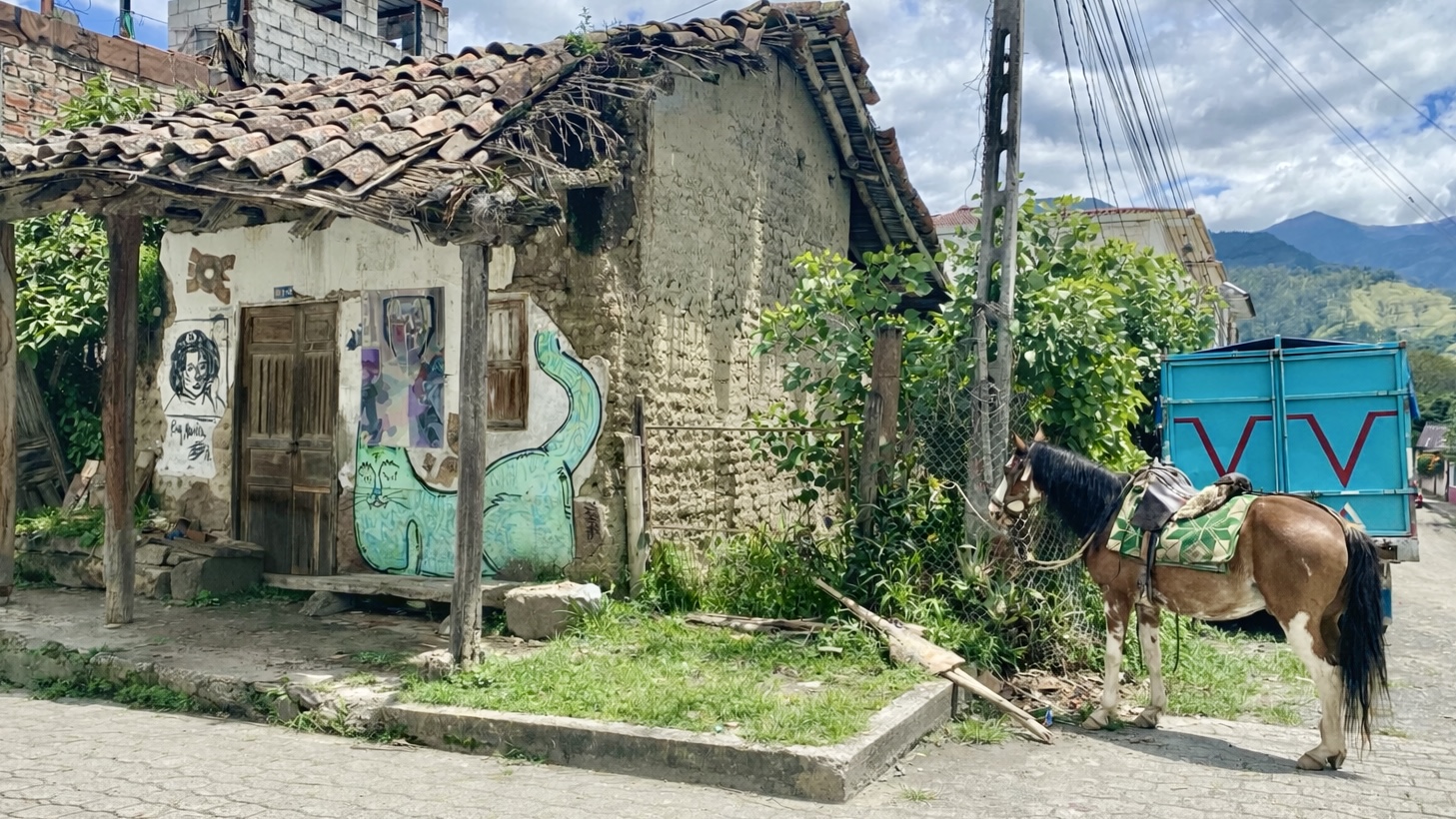
New construction can provide modern layouts and updated systems. Older Ecuadorian homes often offer character, larger lots, and attractive pricing, but may require repairs or upgrades.
The best property type depends on your goals, budget, and lifestyle preferences.
The Questions Buyers Forget To Ask
Some of the most important questions are rarely featured in the listing.
Where does the water come from? What legal right do I have to the supply? How reliable is it? What happens during heavy rain? Does the property drain properly?
What is the neighborhood like at night? How noisy is it?
How close are healthcare services, groceries, pharmacies and transportation?
What development might occur around the property in the future?
How manageable will the property be as you age?
These practical questions often have a greater impact on quality of life than cosmetic features.
Why Home Inspection Matters
My background as a home inspector has strongly influenced how I evaluate properties.
Many buyers become emotionally attached to a home before objectively assessing its condition. Structural integrity should always be evaluated carefully. Look for evidence of movement, settlement, cracking, moisture intrusion, and drainage problems.
Electrical systems, plumbing systems, roofing materials, site grading, retaining walls, and accessibility should all be considered.
In a region that experiences seismic activity, construction quality matters all the more. Understanding how a structure was built can provide valuable insight into its long-term performance.
The purpose of an inspection is not to pass or fail a property. It is to provide you with a greater understanding of what you are buying and to help you make an informed decision.
Buying as a Lifestyle Decision
Successful property purchases begin with lifestyle goals rather than real estate goals.
Ask yourself how you want your days to look. Do you want to walk to restaurants and shops? Do you prefer a quiet mountain setting? Do you enjoy gardening? Do you plan to travel frequently? Do you need proximity to healthcare?
The answers to these questions will often guide you toward the right property more effectively than any listing website.
Final Thoughts
Southern Ecuador offers remarkable opportunities for people seeking a new chapter. The region combines natural beauty, affordability, welcoming communities, and diverse lifestyle options.
Take time to learn the region. Rent before buying whenever possible. Conduct thorough due diligence. Focus on lifestyle as much as property characteristics. Ask practical questions. Seek professional advice when necessary. Understand the true costs of ownership.
The best real estate decisions are rarely made quickly. They are made through observation, patience, and experience. If you approach your search with that mindset, you will dramatically increase your chances of finding not only the right property, but the right life.